
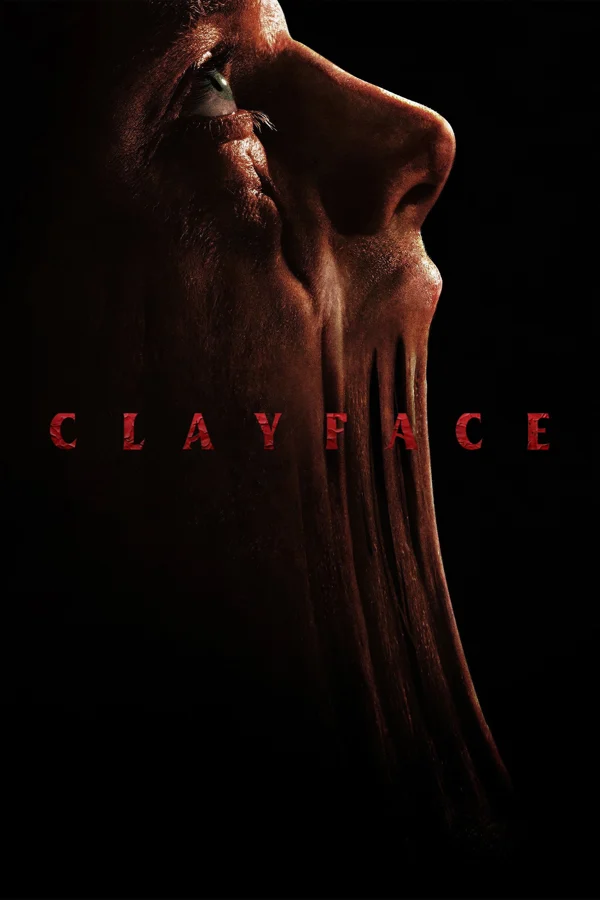
A particular Gotham character takes the lead
DC’s film page places Matt Hagen’s rise as an actor at the centre of this production. That helps distinguish the feature from a Batman episode, an animated appearance or a general compilation of Gotham villains. Keep the year and Watkins’s name with the title when searching. A shared comic character does not make all screen versions the same story or part of one continuous viewing sequence.
Transformation is part of the stated horror premise
The publisher describes a disfiguring attack and a treatment whose effects move beyond physical restoration. Those facts establish a horror-thriller framework rather than a promise of a light superhero adventure. They are basic premise information, not a medical account or a recommendation about real treatments. A viewer avoiding spoilers may prefer the short synopsis and creator credits over later character analyses that describe the revenge story’s outcomes.
Use the horror feature’s own classification
DC labels this film Horror and gives Warner Bros. Pictures as distributor, with international theatrical release beginning 21 October 2026 and North America on 23 October. Those dates distinguish a cinema launch from a later home-viewing edition. Use the local classification for the actual release: a familiar comic-book character and a DC logo do not establish a children’s audience.
Credits for a sound-led first viewing
DC names Volker Bertelmann for the music and Rob Hardy as director of photography, alongside editor Jon Harris. If you follow a composer or filmmaker, these credits identify the particular creative work being discussed. Soundtrack interviews or visual-effects features are useful follow-up material after viewing, when production discussion is less likely to disclose story developments.
Questions, answered
Does the DC brand make this a children’s superhero film?
The publisher describes this particular feature as a horror thriller. Use the actual local classification for the edition you plan to watch.